

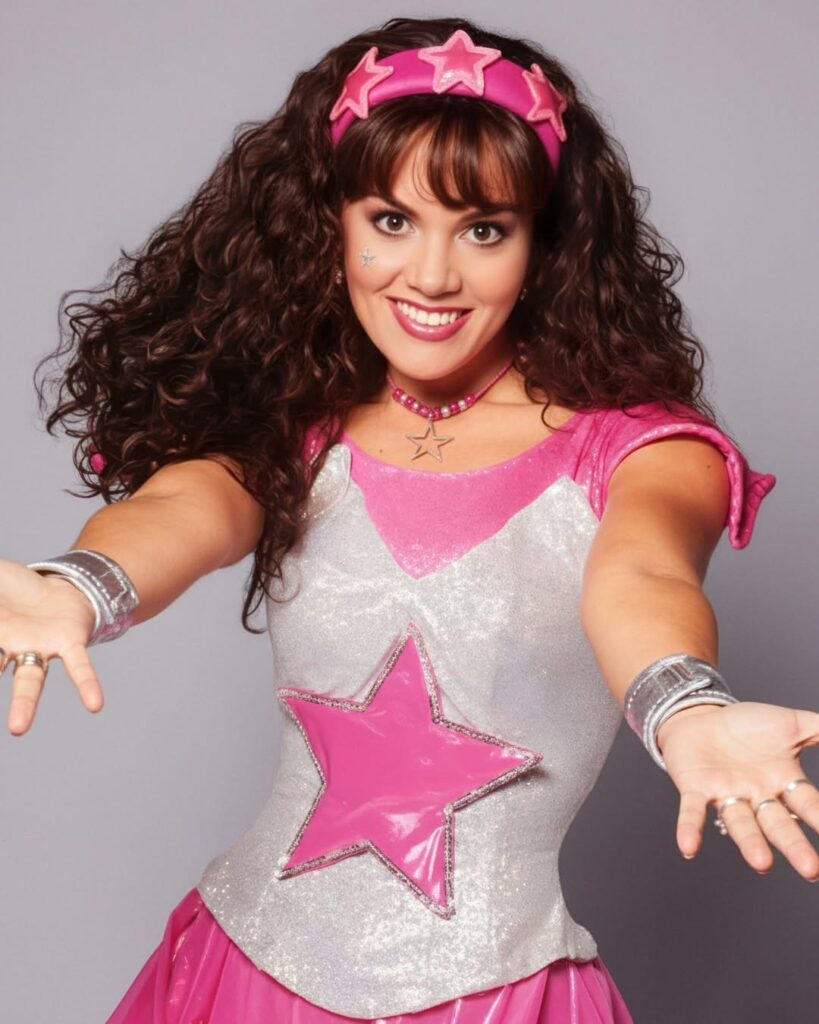
Tatiana is a Mexican singer, actress, and television presenter who has captivated audiences across Latin America for over four decades. Born Tatiana Palacios Chapa on December 12, 1968, in Philadelphia, Pennsylvania, she earned the prestigious title “Queen of Kids” (Reina de los Niños) through her groundbreaking children’s music career.
With five Latin Grammy Award nominations, over 9 million records sold worldwide, and an unmatched ability to connect with young audiences, Tatiana remains one of the most influential entertainers in Latin American pop culture. Her journey from rock opera performer to beloved children’s icon showcases remarkable versatility and unwavering dedication to her craft.
Table of Contents
Quick Bio, wiki About Tatiana
| Category | Details |
|---|---|
| Full Name | Tatiana Palacios Chapa |
| Born | December 12, 1968 (age 56) |
| Birthplace | Philadelphia, Pennsylvania, USA |
| Nationality | Mexican |
| Raised In | Monterrey, Nuevo León, Mexico |
| Known As | “Queen of Kids” (Reina de los Niños) |
| Professions | Singer, Actress, Television Presenter, Voice Actor |
| Career Start | 1984 (Rock Opera — Kuman) |
| Major Transition | 1995 (Shifted to Children’s Music) |
| Records Sold | Over 9 million worldwide |
| Latin Grammy Nominations | 5 (Best Children’s Album) |
| TV Shows | El Espacio de Tatiana (1997–2001, Televisa)El Show De Tatiana (TV Azteca) |
| Famous Voice Role | Megara in Disney’s Hercules (1997, Latin American Spanish) |
| Disney Partnership | Only singer authorized to record complete Disney song albums |
| Notable Albums | Brinca (1995), Superfantástico (1998),Disney Greatest Hits Vols. 1 & 2 (2001–2002) |
| Pop Albums | 10 albums (1984–1994) |
| Children’s Albums | 20+ albums (1995–2021) |
| Record Tours | 56 sold-out concerts (2007)64 concerts in 5 countries (2008) |
| Marriage | Andrés Puentes (1990–2005, divorced) |
| Children | Cassandra (b. 1994), Andrik (b. 2001) |
Early Life and Background
Birth and Family Origins
Tatiana Palacios Chapa was born on December 12, 1968, in Philadelphia, Pennsylvania, while her father, Dr. José Ramón Palacios Ortega, was attending the University of Pennsylvania. Her mother, Diana Perla Chapa de Palacios, supported the family during this academic period. Although born in the United States, Tatiana holds Mexican citizenship and identifies deeply with her Mexican heritage.
After her father completed his studies in Pennsylvania, the family returned to Mexico when Tatiana was still an infant. She was raised in Monterrey, Mexico, a vibrant industrial city in the northeastern state of Nuevo León. Growing up in Monterrey provided Tatiana with a strong cultural foundation that would later influence her artistic career.
Childhood and Education
Details about Tatiana’s early education remain relatively private, but her formative years in Monterrey exposed her to Mexican culture, music, and traditions. The city’s rich musical heritage, combined with her family’s support for the arts, helped nurture her natural talents from a young age.
Unlike many artists who showed interest in music during childhood, Tatiana’s path to entertainment took a unique turn. Her early exposure to various musical genres and performance styles in Mexico’s diverse cultural landscape prepared her for the multifaceted career that lay ahead.
Discovering Her Passion
Growing up in the 1970s and early 1980s, Tatiana witnessed the golden age of Latin American pop music and television. This era shaped her artistic sensibilities and planted the seeds for her future in entertainment. Her natural charisma and vocal abilities became evident during her teenage years, setting the stage for her professional debut.
Career Beginnings: The Rock Opera Era
Kuman: A Bold Start (1984)
Tatiana’s first major musical project came in 1984 when she was just 15 years old. She played the character Jane in Kuman, a Mexican rock opera about a Tarzan-like character. This live stage performance marked her professional debut and showcased her ability to handle complex theatrical roles.
The production featured music by the rock trio Cristal y Acero, consisting of guitarist Icar Smith, bassist Carlos Ortega, and drummer Samuel Shapiro. The album soundtrack, also titled Kuman, was released under the group’s name and introduced Tatiana to Mexico’s music scene as a serious performer capable of tackling sophisticated material.
This early experience in rock opera provided Tatiana with valuable stage experience and vocal training that would prove essential throughout her career. The demanding nature of live theatrical performance helped her develop the stamina and stage presence that later defined her concerts.
Social Awareness Campaign with Johnny Lozada (1986)
In 1986, Tatiana participated in a groundbreaking social awareness project that demonstrated her commitment to using entertainment for positive change. She released a single and filmed a music video titled “Cuando Estemos Juntos” (When We’re Together) with Johnny Lozada, a former member of the popular Puerto Rican boy band Menudo.
This collaboration aimed to educate young people throughout Latin America about the consequences of premarital sex, including sexually transmitted diseases and teenage pregnancy. The project showed Tatiana’s early dedication to socially responsible entertainment, a theme that would resurface throughout her career, particularly in her children’s music.
The partnership with Lozada, who was already a major star, helped raise Tatiana’s profile across Latin America. The song received significant airplay in Mexico, Puerto Rico, and other Spanish-speaking countries, introducing her to millions of potential fans.
The Pop Music Era (1984-1994)
Building a Pop Career
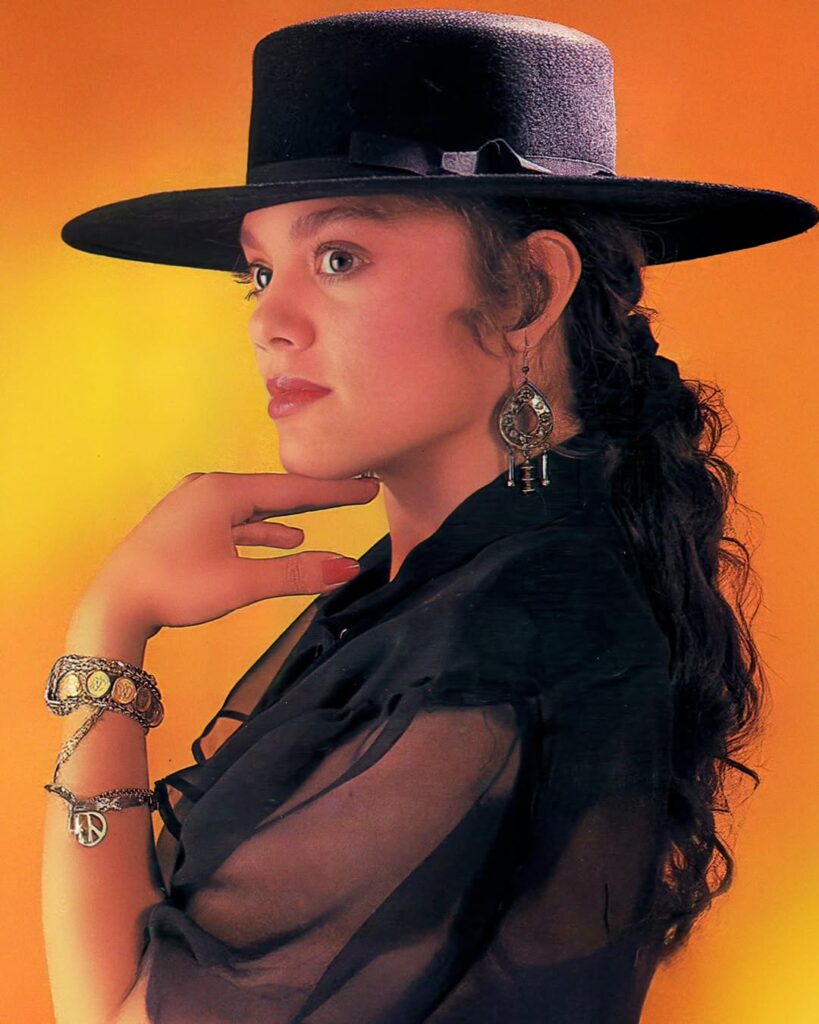
Between 1984 and 1994, Tatiana released ten pop music albums that established her as a significant force in Latin American popular music. This decade represented her most prolific period as a mainstream pop artist, producing numerous hits that resonated with teenagers and young adults across Mexico and Latin America.
Her pop albums during this period included:
- Tatiana (1984) – Self-titled debut
- Chicas de Hoy (1986) – Modern Girls
- Baila Conmigo (1987) – Dance With Me
- Un Lobo En La Noche (1988) – A Wolf In The Night
- Las Cosas Que He Visto (1989) – The Things I’ve Seen
- Vientos de Libertad (1990) – Winds of Freedom
- Leyes del Corazón (1992) – Laws of the Heart
- Un Alma Desnuda (1994) – A Naked Soul
Musical Style and Themes
Tatiana’s pop music incorporated elements of Latin pop, dance-pop, and ballads. Her songs typically addressed themes of young love, heartbreak, self-discovery, and empowerment. The upbeat, danceable nature of many tracks made them popular at parties, quinceañeras, and teen gatherings throughout Latin America.
Her vocal style during this era showcased impressive range and emotional delivery. She could transition seamlessly from powerful, energetic performances to tender, intimate ballads. This versatility helped her appeal to diverse audiences and maintain relevance across changing musical trends.
Chart Success and Recognition
Throughout the late 1980s and early 1990s, Tatiana garnered numerous chart hits in Mexico and several Latin American countries. Her music received regular airplay on radio stations targeting youth audiences, and her albums achieved respectable sales figures.
She appeared on television programs, gave interviews to teen magazines, and performed at major venues throughout Mexico. This period established her reputation as a reliable, talented performer with a dedicated fan base.
The Pivotal Shift: Becoming the Queen of Kids
Transition to Children’s Music (1995)
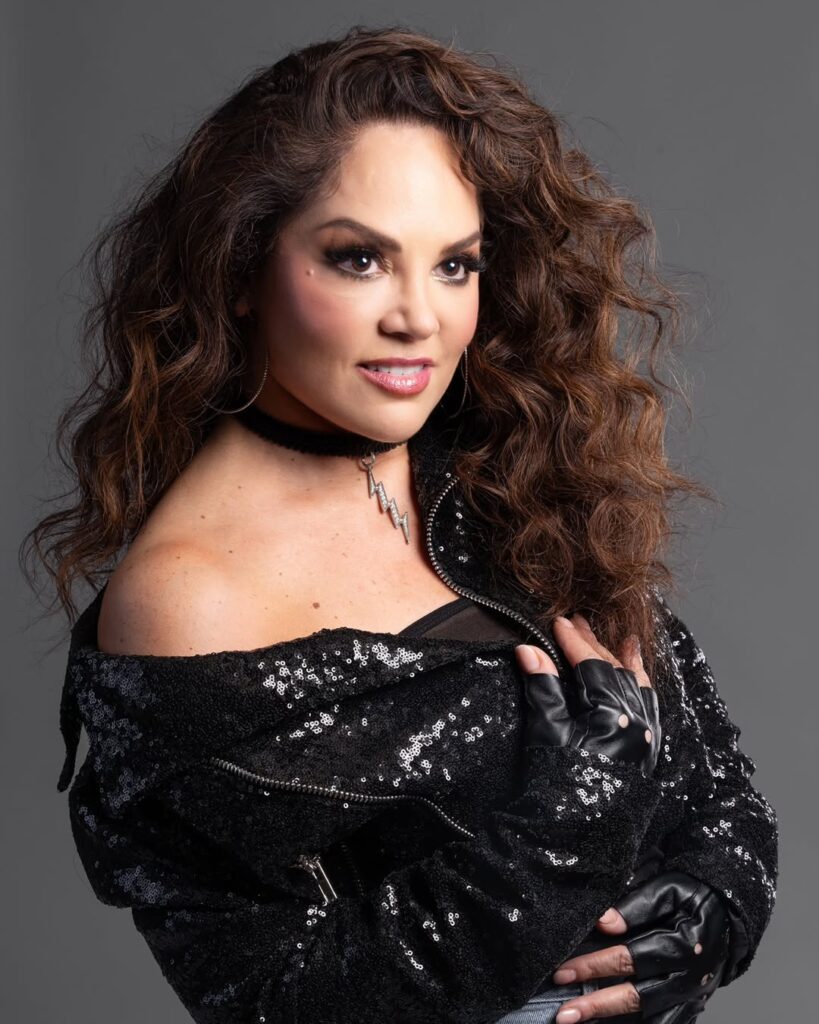
In 1995, Tatiana made a career decision that would define her legacy and transform her into a cultural icon. She transitioned from pop music aimed at teenagers and young adults to children’s music. This bold move surprised many in the industry but proved to be inspired.
Several factors likely influenced this decision. The children’s music market in Latin America was underserved by high-quality, professionally produced content. Most children’s entertainment was either educational programming or imported content. Tatiana saw an opportunity to create something unique: high-energy, engaging music specifically designed for Latin American children.
Her first children’s album, Brinca (Jump), released in 1995, immediately demonstrated the potential of this new direction. The album featured upbeat, participatory songs that encouraged children to dance, sing along, and engage physically with the music.
Why the Transition Worked
Tatiana’s success in children’s music wasn’t accidental. Several key factors contributed:
- Authenticity: She genuinely loved working with children and brought authentic enthusiasm to every performance.
- Production Quality: Unlike much children’s music of the era, Tatiana’s albums featured professional production values comparable to mainstream pop music.
- Parental Appeal: Parents who had grown up listening to her pop music trusted her with their children’s entertainment.
- Cultural Relevance: Her songs incorporated Latin American rhythms, language, and cultural references that resonated with families.
- High-Energy Performances: Her concerts were elaborate productions featuring dancers, colorful costumes, and interactive elements that kept children engaged.
Building the Children’s Music Empire
Following the success of Brinca, Tatiana released a steady stream of children’s albums:
- Brinca II (1996)
- Navidad Con Tatiana (1996) – Christmas with Tatiana
- Sigue La Magia (1997) – The Magic Continues
- Navidad Mágica (1997) – Magical Christmas
- Superfantástico (1998)
- Vamos A Jugar (1999) – Let’s Play
- Navidad Mágica 2 (1999)
- Acapulco Rock (2000)
- El Regalo 1 (2003) – The Gift 1
- El Regalo 2 (2005) – The Gift 2
- Aventuras En Tatilandia (2006) – Adventures in Tatiland
- Tu Regalo De Navidad (2006) – Your Christmas Gift
- Espapirifáctico (2007)
- Te Quiero (2009) – I Love You
- El Mundo De Tatiana (2011) – Tatiana’s World
- Llegó Navidad (2012) – Christmas Has Arrived
- Salta Sin Parar (2015) – Jump Without Stopping
- Kidsongs Vol. 1 (2021)
Each album maintained high production standards while introducing new themes, songs, and interactive elements. She released multiple Christmas albums, recognizing the importance of holiday music to families.
Television Career: Connecting with Audiences
El Espacio de Tatiana (1997-2001)
From 1997 to 2001, Tatiana hosted El Espacio de Tatiana (Tatiana’s Space) on Televisa, Mexico’s largest television network. This children’s television show became a phenomenon, reaching millions of households throughout Latin America.
The program featured:
- Musical performances
- Games and contests
- Educational segments
- Guest appearances by other children’s entertainers
- Interactive audience participation
The show’s format combined entertainment with subtle educational content, teaching children about friendship, sharing, healthy habits, and positive values. Tatiana’s warm, engaging personality made her a trusted figure in millions of homes.
El Show De Tatiana
Later, Tatiana hosted El Show De Tatiana on TV Azteca, another major Mexican television network. This show followed a similar format to her previous program but introduced new elements and reached different audiences. The TV Azteca version has been compared to Brazil’s El Show de Xuxa, another hugely successful children’s entertainment program in Latin America.
These television programs amplified her reach beyond music sales and concerts. Children who might not attend live performances or purchase albums could still connect with Tatiana through weekly television appearances.
Return to Televisa (2016)
In 2016, Tatiana returned to Televisa, appearing on popular programs including Hoy (Today), a long-running morning show, and Recuerda y Gana (Remember and Win). These appearances introduced her to a new generation of viewers while nostalgically connecting with fans who had grown up watching her earlier programs.
Disney Partnership: A Magical Collaboration
Voice Acting for Disney
Tatiana’s partnership with The Walt Disney Company represents one of the most significant achievements of her career. She provided voice-over work for various Disney television and film projects produced in Latin America, bringing beloved characters to Spanish-speaking audiences.
Megara in Hercules (1997)
Her most famous voice acting role came in 1997 when she voiced Megara in the Latin American Spanish dub of Disney’s animated film Hercules. Megara is a complex character: a strong-willed, independent woman with a sarcastic wit who becomes the love interest of the titular hero.
Tatiana not only provided Megara’s speaking voice but also sang the Spanish version of “I Won’t Say I’m in Love,” one of the film’s signature songs. Her performance captured Megara’s sass, vulnerability, and ultimate warmth, making the character memorable for Spanish-speaking audiences.
This role introduced Tatiana to international audiences beyond Latin America’s traditional markets. Disney films enjoy global distribution, and her work on Hercules remains one of her most recognized contributions.
Peter Pan 2: Return to Neverland
Tatiana sang the Spanish version of “I’ll Try” for Peter Pan 2: Return to Neverland (2002), Disney’s sequel to the classic Peter Pan. This emotionally resonant song appears during a pivotal moment in the film, and Tatiana’s vocal performance perfectly captured its hopeful, determined spirit.
Disney Greatest Hits Albums
Between 2001 and 2002, Tatiana released two albums titled Los Mejores Temas De Las Películas De Walt Disney, Vol. 1 y 2 (The Best Songs from Walt Disney Movies, Volumes 1 and 2). These double albums featured Spanish versions of Disney’s most beloved songs.
Remarkably, Tatiana is the only singer in the world authorized by Disney to record and release complete albums of their movie songs. This exclusive arrangement speaks to Disney’s confidence in her abilities and her importance in the Latin American market.
The albums included songs from classics like:
- The Lion King
- Beauty and the Beast
- Aladdin
- The Little Mermaid
- Pocahontas
- Mulan
- And many more
These albums became popular with families throughout Latin America, allowing parents to share Disney’s musical legacy with their children in Spanish. They also served educational purposes, introducing children to English-language songs alongside Spanish translations.

Acting Career Beyond Voice Work
Amy, la niña de la mochila azul (2004)
In 2004, Tatiana expanded her acting resume by appearing in the Mexican telenovela Amy, la niña de la mochila azul (Amy, the Girl with the Blue Backpack). She played the character Coral in this popular children’s telenovela that told the story of a young girl facing various challenges.
Telenovelas remain one of Latin America’s most popular entertainment formats, and children’s telenovelas specifically target young audiences with age-appropriate stories. Tatiana’s appearance in this production demonstrated her versatility and willingness to explore different entertainment mediums.
Film Appearances
Throughout her career, Tatiana has made various film appearances, though specific details about many of these projects remain limited in publicly available sources. Her film work has complemented her music and television career, allowing her to reach audiences through multiple channels.
Awards and Recognition
Latin Grammy Nominations
Tatiana has received five nominations for Latin Grammy Awards in the Best Children’s Album category. While she hasn’t won the award, these nominations represent significant recognition from the music industry’s most prestigious Latin award ceremony.
The Latin Grammy Awards, established in 2000, celebrate excellence in Latin music across all genres. Receiving multiple nominations in the competitive children’s music category validates Tatiana’s artistic quality and commercial success.
Industry Recognition
Beyond formal awards, Tatiana has earned numerous accolades throughout her career:
- Recognition from children’s advocacy organizations
- Television industry awards for her programs
- Sales certifications for albums exceeding specific thresholds
- Public recognition as “Queen of Kids” (Reina de los Niños)
The “Queen of Kids” title isn’t an official award but rather an honorific given by fans, media, and industry professionals acknowledging her unparalleled influence in Latin American children’s entertainment.
Sales Achievements
With over 9 million records sold worldwide, Tatiana ranks among Latin America’s best-selling children’s music artists. These sales figures span both physical albums (CDs, cassettes) and digital downloads across multiple decades.
Her consistent sales across different formats and technological eras demonstrate enduring appeal. Parents who enjoyed her music as children now purchase her albums for their own kids, creating a multigenerational fan base.
Return to Adult Music
Acústico – Mil Gracias (2005)
After more than a decade focused exclusively on children’s music, Tatiana released Acústico – Mil Gracias (Acoustic – A Thousand Thanks) in 2005. This unplugged acoustic album marked her return to music for adult audiences.
The album featured:
- Acoustic renditions of her earlier pop hits
- New original songs
- Two tracks in English, showcasing linguistic versatility
- A more mature, refined vocal approach
Acústico – Mil Gracias appealed to fans who had grown up with her pop music and wanted to reconnect with those songs from an adult perspective. The acoustic arrangements brought new depth to familiar melodies, revealing the strong songwriting beneath the production.
This release proved that Tatiana could successfully maintain two separate artistic identities: beloved children’s entertainer and respected adult contemporary artist.
Reencuentro Conmigo (2014)
In 2014, Tatiana released Reencuentro Conmigo (Reunion with Myself), another album aimed at adult audiences. This project continued her exploration of more mature themes and sophisticated musical arrangements.
These adult-focused albums demonstrate her artistic range and refusal to be pigeonholed into a single category. While her children’s music defined her public image, she maintained connections to her roots in pop music.
Touring and Live Performances
Concert Tours
Tatiana’s live performances have been legendary throughout Latin America. Her concerts are elaborate productions featuring:
- Multiple costume changes
- Professional dancers and choreography
- Interactive segments where children participate on stage
- High-energy musical performances
- Visual effects and staging
Record-Breaking Tours
Her 2007 tour featured an impressive 56 sold-out concerts across multiple countries. This achievement demonstrated her remarkable drawing power and the loyalty of her fan base.
The following year, her Espapirifárctico tour in 2008 covered 64 concert dates throughout five countries. The tour’s name, a playful made-up word combining “space,” “spirit,” and “fantastic,” reflected the whimsical, imaginative nature of her performances.
These tours weren’t small club shows but rather major productions in large venues, sometimes arenas, filled with thousands of children and their families. The logistical complexity of mounting such extensive tours speaks to her professional team’s capabilities and commitment to quality.
Typical Concert Experience
A Tatiana concert creates an immersive experience for children. Unlike adult concerts where audiences sit and watch, her shows encourage active participation. Children dance, sing along, and interact with performers on stage.
Parents appreciate the family-friendly environment, professional production, and knowing their children are experiencing live entertainment from a trusted performer. Many families make attending Tatiana concerts a tradition, returning for multiple shows over years.
Personal Life
Marriage and Family
On June 29, 1990, Tatiana married Andrés Puentes. The couple had two children together:
- Cassandra, born May 11, 1994
- Andrik, born May 23, 2001
However, the marriage faced difficulties. Tatiana and Andrés separated in 2001, and their divorce was finalized on August 2, 2005. Despite the end of their romantic relationship, both parents remained committed to their children.
Privacy and Family Values
Tatiana has maintained relative privacy regarding her personal life, choosing to keep family matters away from public scrutiny. This decision aligns with her commitment to providing positive role modeling for children without exposing her own family to excessive media attention.
Her ability to navigate personal challenges while maintaining a public career demonstrates resilience and professionalism. The divorce occurred during her peak popularity, yet she continued performing and releasing albums without significant career disruption.
Life Beyond Entertainment
While specific details about Tatiana’s personal interests and activities outside entertainment remain private, interviews suggest she values:
- Family time with her children
- Maintaining physical health to sustain demanding performance schedules
- Continuing education about child development and education
- Philanthropy, though specific charitable activities aren’t widely publicized
Cultural Impact and Legacy
Influence on Latin American Children’s Entertainment
Tatiana transformed Latin American children’s entertainment by proving that Spanish-language children’s music could achieve mainstream commercial success with high production values. Before her transition to children’s music, the market was dominated by:
- Educational recordings with minimal entertainment value
- Traditional children’s songs passed down through generations
- Imported English-language content
- Television program soundtracks
She demonstrated that children’s music could be both entertaining and educational, culturally relevant and commercially viable, simple yet professionally produced.
Generational Impact
Tatiana’s influence spans multiple generations:
First Generation (1980s-1990s): Original pop music fans who grew up listening to her albums and watching her early performances.
Second Generation (1995-2010): Children who experienced her children’s music and television programs during their formative years.
Third Generation (2010-present): Current children whose parents introduce them to Tatiana’s music, creating a family tradition.
This multigenerational appeal is rare in popular music, where artists typically enjoy relatively brief periods of mainstream relevance. Tatiana’s longevity comes from successfully reinventing herself while maintaining core values and authenticity.
Representation and Identity
As a successful Mexican entertainer who has remained independent throughout much of her career, Tatiana represents the possibility of achieving international success while staying rooted in Latin American culture.
Her music incorporates Spanish language, Latin rhythms, and cultural references that affirm Mexican and broader Latin American identity for children. In an era of increasing globalization, this cultural affirmation holds significant value for families wanting their children to maintain connections to heritage.
Musical Style and Artistic Evolution
Early Pop Style
Tatiana’s early pop music featured synthesizers, electronic drums, and production techniques popular in 1980s and early 1990s Latin pop. The songs had catchy hooks, danceable beats, and emotional vocals that appealed to teenage and young adult audiences.
Lyrically, her pop songs explored themes of romantic love, heartbreak, independence, and self-discovery. The straightforward emotional honesty resonated with young listeners experiencing similar feelings.
Children’s Music Approach
Her children’s music takes a markedly different approach:
Lyrical Themes:
- Physical activity and movement
- Friendship and cooperation
- Imagination and creativity
- Learning and discovery
- Positive values
Musical Elements:
- Upbeat, energetic tempos
- Simple, memorable melodies
- Call-and-response patterns
- Repetitive choruses easy for children to learn
- Incorporation of sound effects and playful elements
Production:
- High-quality instrumentation
- Professional arrangements
- Clear vocal mixing so children can understand lyrics
- Dynamic range to maintain interest
Vocal Development
Over decades of performing, Tatiana’s vocal abilities have evolved. Early recordings showcase youthful energy and raw emotion. Later work demonstrates greater control, refined technique, and mature interpretation.
Her children’s music requires different vocal skills than pop ballads. She must project enthusiasm, maintain pitch while dancing and moving, and sing clearly so young audiences can understand every word. These demands require significant vocal training and stamina.
Business Acumen and Career Management
Record Label Relationships
Throughout her career, Tatiana has worked with numerous record labels, including:
- Balboa (Musart Records)
- Capitol/EMI Latin
- Disa Records
- Discos Columbia
- Discos Gas
- EMI
- Epic Records
- Fantil
- Fonovisa Records
- Paramúsica
- PolyGram
- Rodven Records
- Universal Music
This extensive list suggests either:
- Strategic movement between labels to optimize opportunities
- Flexibility in negotiating favorable contract terms
- Changes in the music industry landscape requiring adaptation
Independent Production
Later in her career, Tatiana increasingly took control of production, distribution, and marketing. This independence allowed greater creative freedom and potentially better financial returns, though it required assuming business risks typically borne by record labels.
The shift toward independent production reflects broader music industry trends where established artists leverage existing fame to operate autonomously, retaining more control over their work and revenue.
Brand Management
“Tatiana” as a brand extends beyond music to include:
- Television programs
- Concert tours
- Merchandise (though specific details are limited)
- Disney partnerships
- Public appearances
Careful brand management has maintained her reputation as trustworthy, family-friendly, and consistently high-quality. In children’s entertainment, where parents act as gatekeepers, reputation is paramount.
Challenges and Resilience
Navigating Industry Changes
Tatiana’s four-decade career has spanned enormous technological and cultural changes:
Technology:
- From vinyl records to cassettes to CDs to digital downloads to streaming
- From television to cable to internet video
- From print media to social media marketing
Industry Structure:
- Rise and fall of major record stores
- Decline of physical media sales
- Emergence of independent distribution platforms
- Changes in how audiences discover music
Cultural Shifts:
- Changing attitudes toward children’s entertainment
- Increased competition from international content
- Evolution of family entertainment preferences
Successfully navigating these changes while maintaining relevance demonstrates remarkable adaptability.
Personal Challenges
Balancing a demanding career with family responsibilities, particularly as a single mother after her divorce, required careful time management and prioritization. Touring schedules, recording sessions, and television commitments must be balanced against children’s needs for stability and parental presence.
Maintaining Relevance
Staying relevant across decades challenges all entertainers. For children’s entertainers specifically, the target audience constantly changes. The children who loved Tatiana in 1995 are now adults, replaced by entirely new generations with different preferences.
Her ability to remain appealing to children while retaining nostalgic value for adults creates sustained cross-generational appeal that few achieve.

Comparison with Other Latin American Children’s Entertainers
Xuxa (Brazil)
The Brazilian entertainer Xuxa represents Tatiana’s closest parallel in Latin American children’s entertainment. Both:
- Transitioned from adult careers to children’s entertainment
- Hosted successful television programs
- Released numerous albums
- Built multigenerational fan bases
- Achieved commercial success across multiple countries
However, Xuxa operated at a larger scale, achieving greater international recognition and commercial success. Her influence extended beyond Latin America to include international markets.
Cepillín (Mexico)
Cepillín, the stage name of Ricardo González Gutiérrez, was a Mexican clown, singer, and television host who entertained children from the 1970s through 2010s. Unlike Tatiana, Cepillín maintained his clown persona throughout his career.
Cepillín focused more on traditional children’s songs and educational content, while Tatiana incorporated contemporary pop production values into her work.
Unique Position
Tatiana occupies a unique position in the landscape. She bridges mainstream pop credibility with children’s entertainment success, maintains high production values, and represents specifically Mexican culture while appealing throughout Latin America.
Future Prospects and Continuing Influence
Current Activities
As of recent years, Tatiana continues performing, though possibly at a reduced schedule compared to her peak touring years. Her catalog remains available on streaming platforms, introducing new generations to her music.
Digital Presence
Like many established entertainers, Tatiana has adapted to digital distribution and social media marketing. Her music appears on:
- Spotify
- Apple Music
- YouTube
- Amazon Music
- Other streaming platforms
These platforms allow her to reach audiences globally without the distribution limitations of physical media.
Legacy Projects
At this stage of her career, Tatiana may focus on:
- Legacy albums compiling greatest hits
- Collaborations with contemporary artists
- Special anniversary concerts or tours
- Possibly mentoring emerging children’s entertainers
Lasting Impact
Tatiana’s influence extends beyond her own performances. She demonstrated that children’s entertainment could be artistically satisfying and commercially successful, paving the way for other Latin American children’s entertainers.
Parents who grew up with her music now share it with their children, creating a living legacy that transcends typical entertainment cycles. Her songs remain part of Latin American childhood experience, sung at birthday parties, played in cars, and enjoyed in homes throughout Spanish-speaking communities.
FAQs About Tatiana – Queen of Kids
Why is Tatiana called the “Queen of Kids”?
Tatiana earned this title after transitioning from pop music to children’s entertainment in 1995. Her high-energy concerts, professional production quality, and genuine connection with young audiences made her Latin America’s most influential children’s entertainer, with over 9 million records sold worldwide.
What is Tatiana connection to Disney?
Tatiana is the only singer in the world authorized by Disney to record complete albums of their movie songs. She voiced Megara in the Latin American Spanish version of Hercules (1997) and released two albums of Disney songs in Spanish between 2001-2002.
Did Tatiana always perform children’s music?
No. Tatiana started her career in 1984 with rock opera and released ten pop albums between 1984-1994 targeting teenagers and young adults. She made her bold transition to children’s music at age 26, which became her most successful career move.
How many Latin Grammy nominations has Tatiana received?
Tatiana has received five Latin Grammy nominations, all in the Best Children’s Album category. While she hasn’t won, these nominations represent significant recognition of her artistic quality in children’s music.
Is Tatiana Mexican or American?
Though born in Philadelphia, Pennsylvania in 1968, Tatiana holds Mexican citizenship and was raised in Monterrey, Mexico from infancy. She identifies deeply with her Mexican heritage and built her entire career in Latin America.
Conclusion: The Enduring Queen of Kids
Tatiana’s remarkable career spans over 40 years, multiple artistic reinventions, technological revolutions, and countless performances that brought joy to millions of children. From her beginnings in rock opera through mainstream pop success to becoming Latin America’s preeminent children’s entertainer, she has demonstrated exceptional versatility, professionalism, and authentic connection with audiences.
Her partnership with Disney, five Latin Grammy nominations, over 9 million records sold, and the beloved “Queen of Kids” title represent tangible achievements. But her true legacy lives in memories of children dancing to her music, families bonding at her concerts, and parents sharing songs they loved with their own children.
In an entertainment landscape often dominated by fleeting trends and manufactured personas, Tatiana represents something rare: sustained excellence, genuine passion for her work, and an authentic desire to bring happiness to children. These qualities ensure her music and influence will endure for generations to come.
Whether you discovered Tatiana through her 1980s pop hits, grew up watching her television programs, attended her concerts as a child, or are now introducing her music to your own children, she has likely touched your life in meaningful ways. That multigenerational connection defines her ultimate success and cements her position as one of Latin America’s most important and beloved entertainers.
